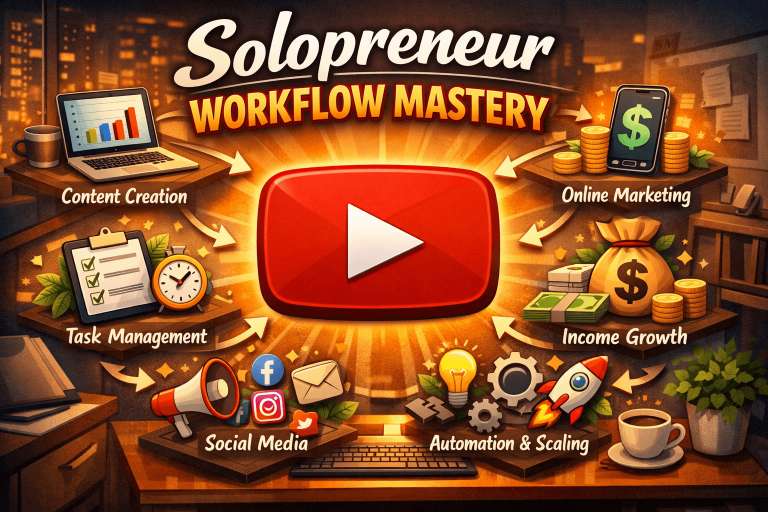
As a solopreneur, you wear every hat. You are the visionary, the marketer, the administrator, and the service provider.
This reality is shared by a vast and growing segment of the economy; in the U.S. alone, nearly 82% of small businesses are owner-staffed companies.
While this autonomy is empowering, it often leads to a silent struggle: the slow creep of task overwhelm.
The endless to-do list, the constant context-switching, and the administrative burden can stifle creativity and halt strategic growth. It’s a common scenario that leaves you working in your business, not on it.
This article isn’t another list of disconnected productivity hacks. It’s a comprehensive blueprint for business transformation.
We will move beyond simply managing tasks to architecting an intelligent, automated workflow.
This is your guide to escaping the overwhelm, reclaiming your time, and evolving from a stressed-out doer into a strategic CEO of a streamlined, scalable enterprise.
The Weight of the “Company of One”: Navigating Task Overload Paralysis
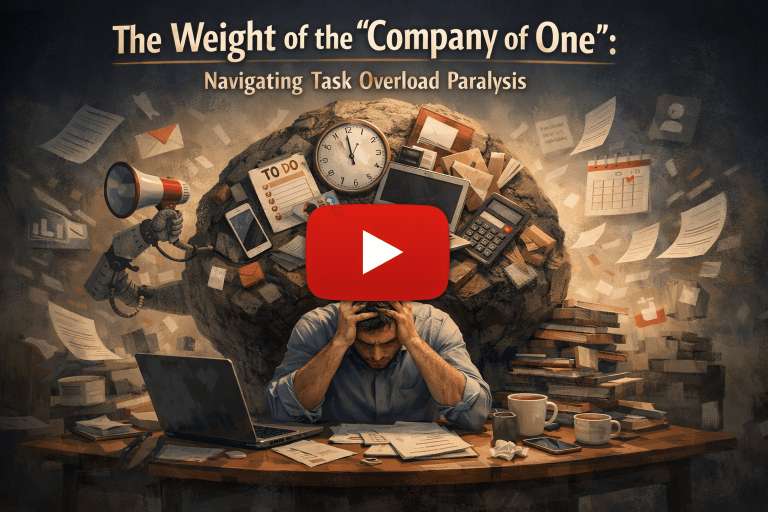
Being a “company of one” means every responsibility, from client acquisition to invoicing, falls on your shoulders.
This immense cognitive load quickly leads to task overload, a state where the sheer volume of duties induces paralysis. Instead of making proactive, strategic decisions, your days become a reactive cycle of putting out fires.
This isn’t just about feeling busy; it’s a critical threat to your business’s health and your own well-being, with over 34.4% of entrepreneurs reporting they have faced burnout.
Beyond Band-Aids: Why Generic Productivity Hacks Fall Short for Solopreneurs

Generic advice like “wake up earlier” or “use the Pomodoro technique” are temporary band-aids on a systemic problem.
They may offer fleeting moments of clarity, but they don’t address the core issue for solopreneurs: a lack of robust systems.
Your business doesn’t need another time-blocking app; it needs an integrated infrastructure that reduces your workload, not just helps you manage it.
These hacks fail because they place the burden of execution entirely on you, rather than leveraging systems to carry the load.
Your Path to Business Transformation, Not Just Efficiency
This blueprint is designed to fundamentally change how your business operates. It’s not about doing more tasks faster; it’s about eliminating, automating, and delegating them to intelligent systems.
By building a cohesive workflow, you create a business that runs smoothly, predictably, and scalably.
This transformation frees up your most valuable resource—your cognitive energy—to focus on what truly drives growth: strategy, client relationships, and creative innovation.
Phase 1: The CEO Mindset Shift – Diagnosing Your Business for Strategic Growth
Before you can build, you must diagnose. True transformation begins not with tools, but with a fundamental shift in perspective.
You must transition from being the primary “doer” in your business to its chief strategist.
This phase is about stepping back, analyzing the entire operation from a high level, and identifying the foundational weaknesses and opportunities that will inform your new workflow architecture.
It’s about asking not “How can I do this faster?” but “Should this be done by me at all?”
Embracing the CEO Mindset: From Task-Doer to Strategic Visionary
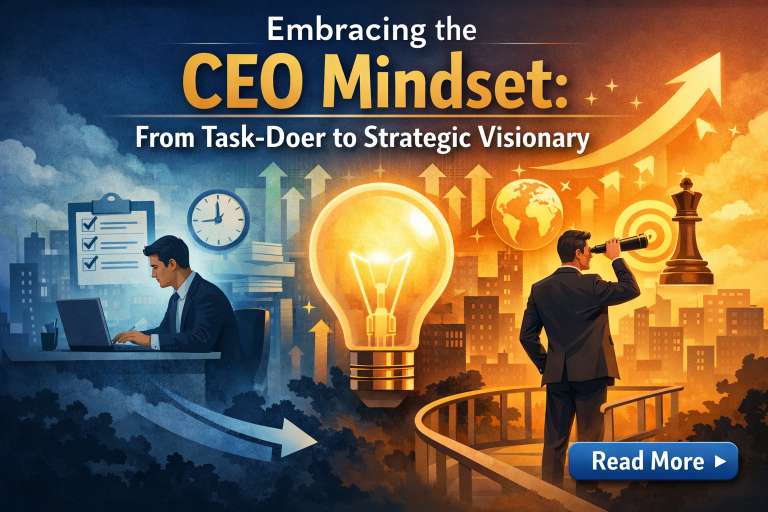
The CEO of a company doesn’t handle every administrative task or manually post every piece of content.
Their role is to set the vision, define the strategy, and build the systems that enable the business to function and grow.
As a solopreneur, adopting this mindset means you consciously separate strategic work from operational tasks.
You become the architect of your business, designing workflows and delegating execution to technology and, when appropriate, to freelancers, rather than remaining the sole engine of production.
The Diagnose-First Framework: Pinpointing Your Specific Overwhelm Triggers
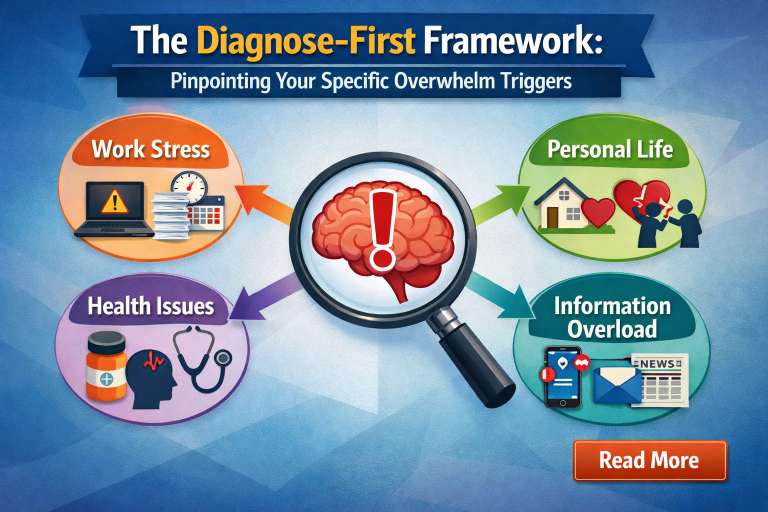
Start by meticulously auditing your time for one week. Categorize every task into four buckets: Strategic (high-value, growth-focused), Operational (essential, but repetitive),
Administrative (low-value, necessary evil), and Distraction (non-essential). This exercise will reveal exactly where your time is going and highlight the biggest drains on your energy.
For many, this audit confirms that time management is a primary challenge, a fact echoed by the 41% of solopreneurs who report it as a top operational hurdle.
Defining Your North Star: Setting Objectives and Key Results (OKRs) for Solopreneur Success
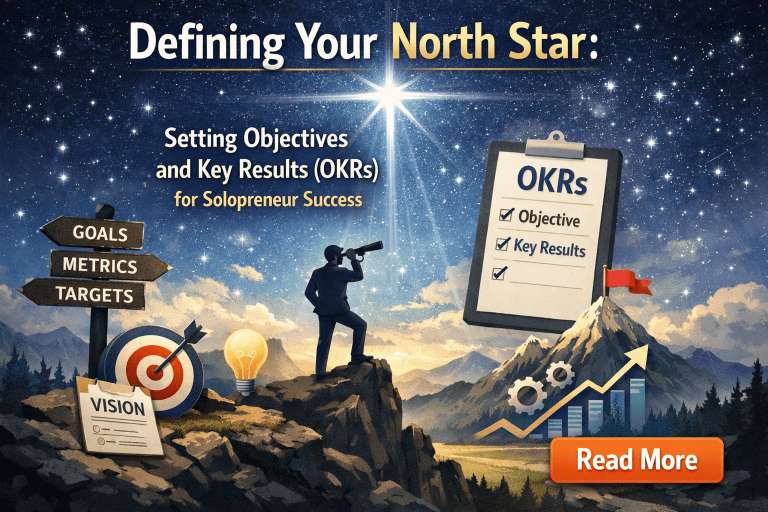
With a clear diagnosis of your time, you can set a meaningful direction.
The Objectives and Key Results (OKRs) framework provides a simple yet powerful structure for this. Define 1-3 high-level Objectives (e.g., “Streamline Client Onboarding Process”). For each objective, set 3-5 measurable Key Results (e.g., “Reduce onboarding time from 5 hours to 1 hour per client”).
This North Star ensures that every system you build and every workflow you automate is directly tied to a tangible business outcome.
The Scalability Audit: Future-Proofing Your Business from Day One

Scalability isn’t something to consider “later.” It must be baked into your business from the start.
Audit your current processes and ask: “What would break if my client load doubled tomorrow?” Identify bottlenecks in your client intake, project delivery, and communication workflows.
Any process that relies entirely on your manual intervention is a scalability risk.
This audit reveals where automation and systems are not just conveniences but necessities for future growth, which can average 15% per year for successful solopreneurs.
Phase 2: Architecting Your AI-Powered Solopreneur Operating System (OS)
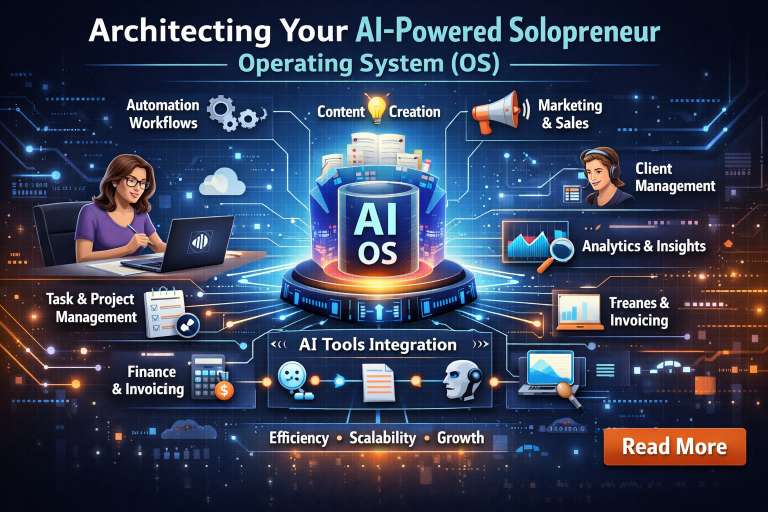
Once you have the CEO mindset and a clear diagnosis, it’s time to build the engine that will power your transformed business.
This isn’t about collecting a random assortment of apps. It’s about intentionally designing a single, cohesive “Operating System” (OS) where data flows seamlessly, tasks are automated intelligently, and your role is one of strategic oversight.
This AI-powered OS becomes your digital headquarters and your tireless virtual team.
The “Operating System” Metaphor: Why You Need an Integrated Hub, Not Disparate Tools
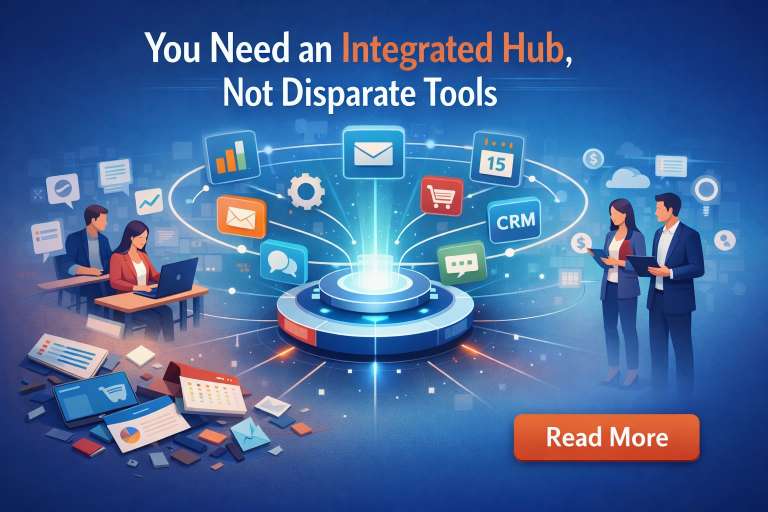
Think of your business like a computer. Disparate, unconnected tools are like having programs that can’t save files or communicate with each other—chaotic and inefficient.
An Operating System, however, provides a central hub that manages resources, directs information, and allows different applications to work together harmoniously.
Your Solopreneur OS, likely centered in a tool like Notion, serves this exact function.
It connects your client management, finances, content creation, and scheduling into one unified dashboard.
Core Pillars of Your Solopreneur OS: Building Your Digital Backbone
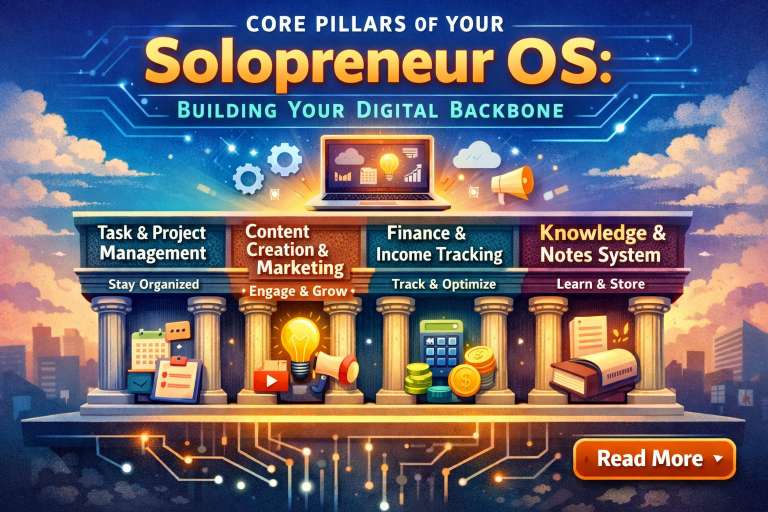
Your OS should be built around the core functions of your business. These pillars typically include:
- Client Management: A central database for all client information, communication logs, and project statuses.
- Project & Task Management: The command center for all deliverables, deadlines, and internal tasks.
- Content Creation Hub: A system for brainstorming, drafting, scheduling, and repurposing marketing content.
- Financial Dashboard: A simple overview of invoices, expenses, and revenue projections.
- Knowledge Base: A repository for your templates, processes, and standard operating procedures (SOPs).
Leveraging No-Code AI Automation: Building Your Digital Team
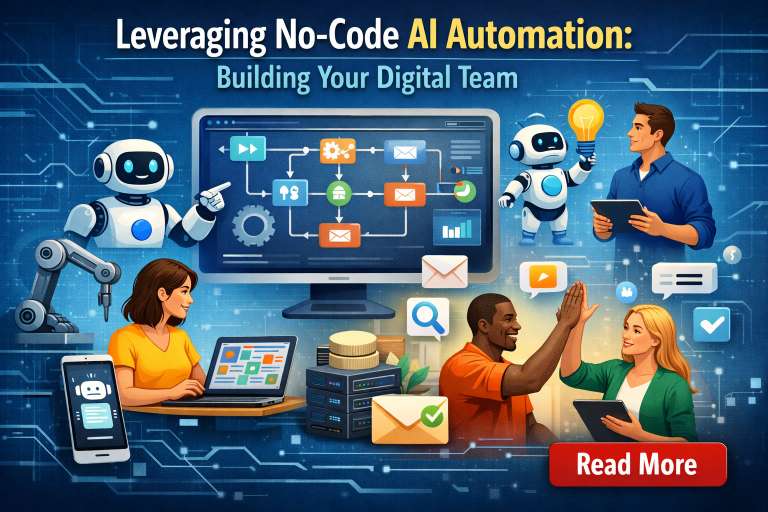
This is where your OS comes to life. Using no-code automation platforms like Zapier, you create connections between your tools that act as a digital team.
This AI Assistant can perform tasks 24/7 without your input. For example, a new client scheduling a call via your website can automatically trigger the creation of a new client profile in Notion, a task in your project manager, and a draft welcome email.
You are no longer the human bridge between apps; you are the manager of an efficient, automated workflow.
Phase 3: Implementing and Optimizing Your Workflow Blueprint
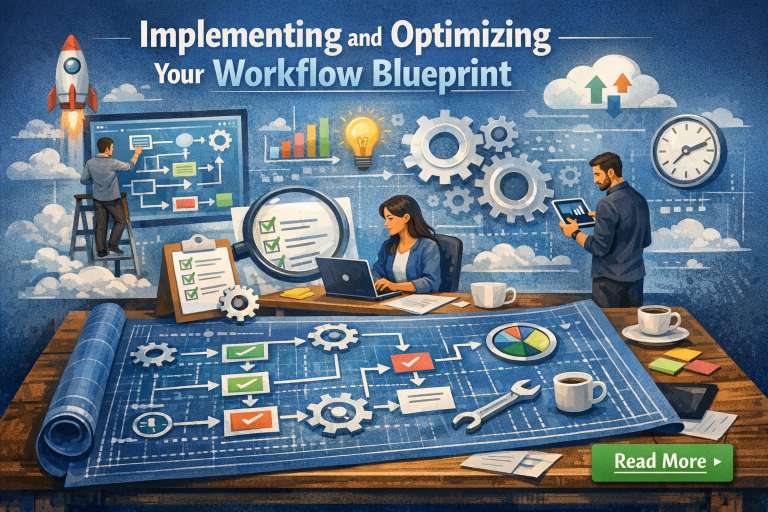
With your architecture ready, turn it into action by mapping each step to clear roles, timelines, and outcomes. Start small with a pilot, then scale what works.
Select tools that integrate smoothly: project management, automation, documentation, and reporting. Standardize with simple SOPs, checklists, and templates so anyone can follow the process.
Automate recurring tasks, set SLAs, and define KPIs tied to lead flow, cost, and cycle time. Build dashboards so you can spot bottlenecks quickly and Escape Digital Marketing Task Overwhelm.
Create a training plan, run brief stand-ups, and document changes with version control. Add a feedback loop after each sprint to capture wins, gaps, and ideas.
Review monthly, prune steps that add no value, and refine triggers, handoffs, and quality checks. This makes your system a living engine that gets smarter and faster over time.
Choosing the Right Tools: Selecting the Best Fit for Your Unique Needs
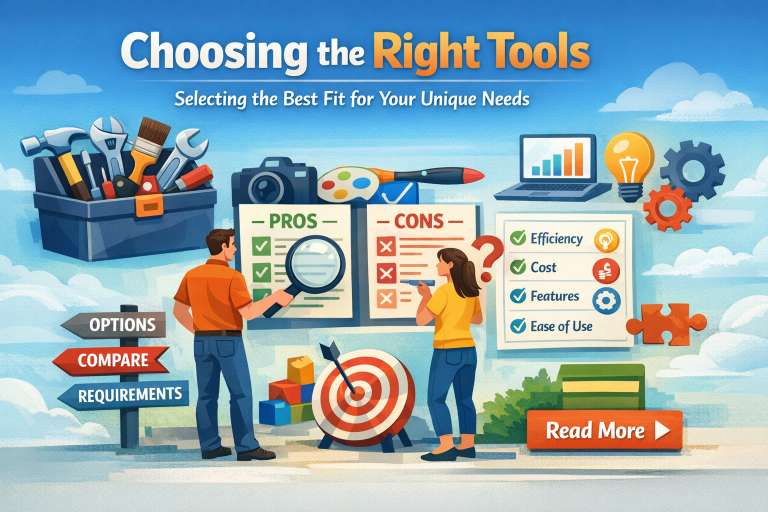
The market is saturated with AI tools, but a successful OS relies on fewer, better, and smarter choices. Your core stack will likely consist of:
- A Central Hub: Notion is exceptional for its flexibility, allowing you to build a custom OS that fits your exact needs.
- An Automation Engine: Zapier is the industry standard for connecting disparate apps without code.
- Specialized AI Tools: This includes custom GPTs for specific tasks like writing or research, an AI Assistant for scheduling, and other platforms that address your unique bottlenecks. Choose tools that integrate well and solve specific problems you identified in your diagnosis phase.
Crafting Your Standard Operating Procedures (SOPs): Documenting Your Optimized Workflows
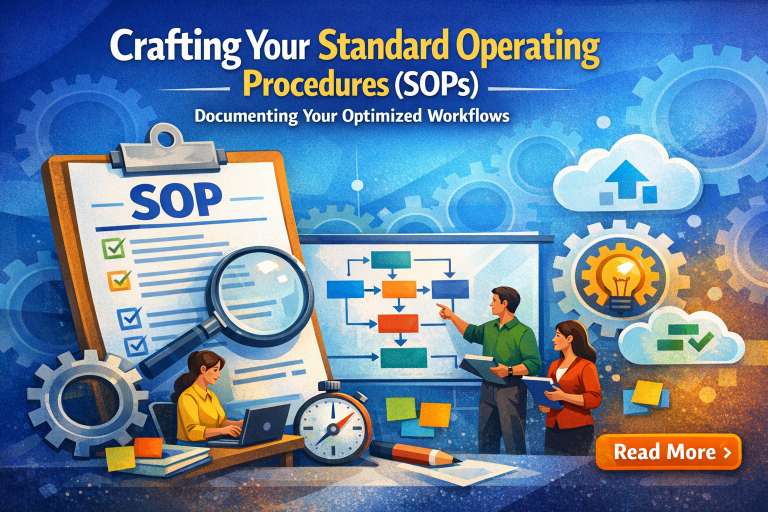
An SOP is a clear, step-by-step guide for a repeating task in your system. It shows who does what, when it starts, and what “done” looks like.
Document each workflow to refine every step and remove waste. This boosts speed, reduces errors, and helps you Escape Digital Marketing Task Overwhelm.
Include the task purpose, tools and links, roles, triggers, exact steps, and quality checks. Add screenshots or short videos for tricky parts. Use checklists and templates to keep results consistent.
Store SOPs in one place, name them clearly, and track versions. Set a review date so they stay current as your tools and offers change.
When you hire freelancers or a virtual assistant, hand them these SOPs. They can deliver consistent work fast, with minimal training.
The Iterative Process: Feedback, Review, and Continuous Refinement
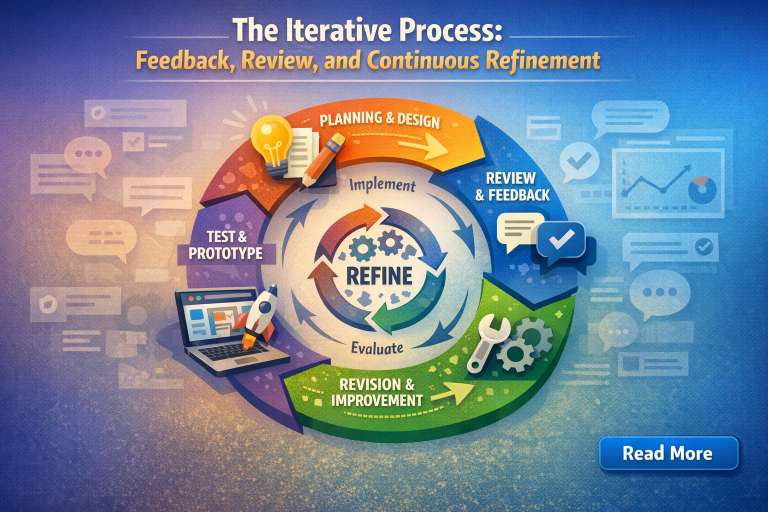
Your operating system is never static. Schedule a monthly or quarterly review on your calendar to Escape Digital Marketing Task Overwhelm.
Check bottlenecks. Look at response times, handoffs, wait steps, and error rates.
Audit automations. Review logs, failure points, and costs, then merge steps or remove redundancies.
Collect feedback from clients and your team. Use short surveys, call notes, and tagged support tickets to spot patterns.
Measure what matters. Track a simple scorecard with KPIs like lead speed, conversion rate, cycle time, and cost per task.
Refine your SOPs after each review. Update checklists, templates, and triggers, and run a quick A/B test before rolling out.
This steady loop — feedback, review, and improvement — turns a good workflow into a great one. It keeps your business agile, efficient, and aligned with your goals.
Phase 4: Beyond Efficiency – The Human Connection and Business Transformation

The goal of this workflow blueprint is not just speed. It is to win back time and use it well.
When you Escape Digital Marketing Task Overwhelm, you stop reacting and start leading. Automation handles the repetitive steps with accuracy and consistency.
That frees you to be present with clients. You can listen more, understand their goals, and build trust through real conversations.
With space to think, you focus on high‑impact strategy. You test bold ideas, refine offers, and make smarter decisions with better data.
This is the shift from technician to visionary leader. You move from busy work to meaningful work — and your business grows because of it.
Reclaiming Your Time: The Time Freedom Formula for Solopreneurs
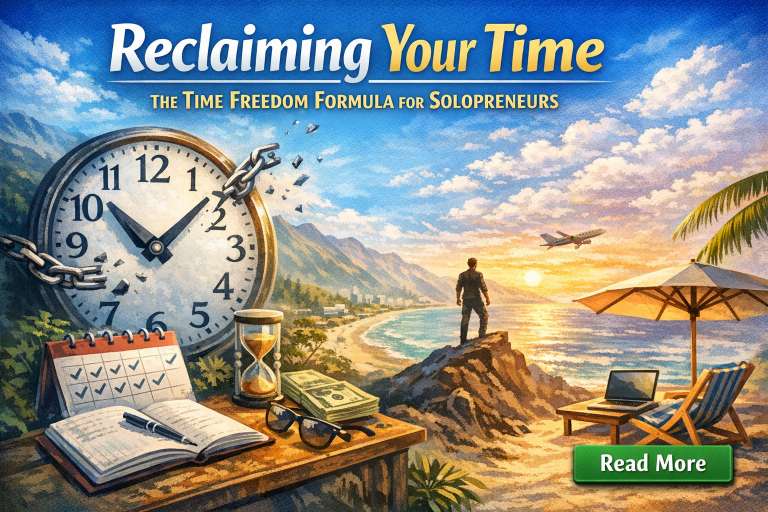
Your AI-powered OS saves hours every week. That time is your edge to Escape Digital Marketing Task Overwhelm.
Protect it with a simple schedule. Block 90-minute sessions for deep work, two times a week.
Use one block for long-term planning: goals, pricing, offers, and systems. Map quarterly milestones and the next three action steps.
Use another block for creative brainstorming. Draft content pillars, offers, and campaigns without distractions.
Reserve a weekly learning block. Take a short course, test a new tool, or refine your SOPs.
Plan recovery time too. Book a walk, a workout, or a no-screen afternoon to prevent burnout.
Review your reclaimed time each Friday. Track wins, cut low-value tasks, and adjust your blocks for next week.
Amplifying the Human Touch with AI: Deeper Client Connections, Not Less

Many fear automation makes a business cold. The truth is, it can make your work feel more human.
When your OS handles onboarding, scheduling, and follow-ups, you gain time and focus. You can run deeper discovery calls. You can give clearer, more thoughtful feedback. You can proactively check in before issues arise.
Your AI Work Buddy can analyze messages, surveys, and call notes. It spots patterns, surfaces pain points, and suggests next steps. This helps you tailor offers, refine processes, and deliver a truly personal experience.
Use AI to Escape Digital Marketing Task Overwhelm. Free your mind for empathy, creativity, and trust-building.
From Solopreneur to Strategic CEO: Your Transformed Business Reality
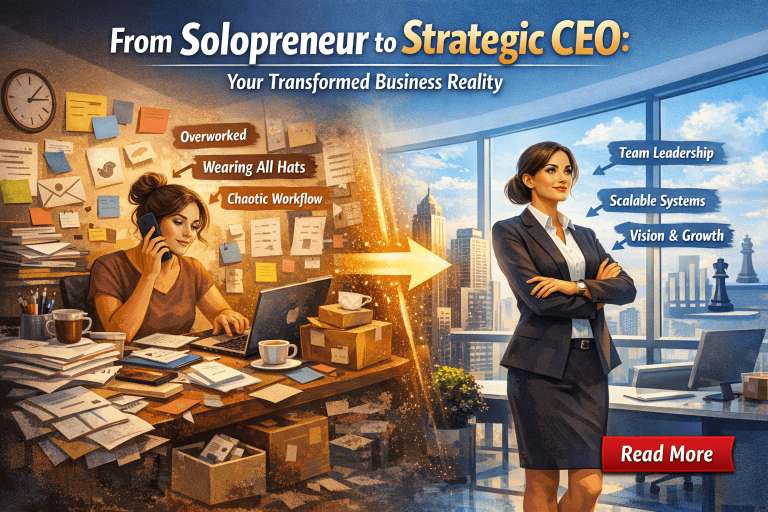
Escape Digital Marketing Task Overwhelm as your OS runs the daily machine. Tasks route to the right people. SOPs, automations, and templates keep quality high and work predictable.
Your role shifts to strategy. You review clear dashboards, track KPIs, and adjust budgets with confidence.
You scan new markets, test offers, and refine positioning. You turn customer insights and data into simple, focused bets.
You build partnerships and nurture key relationships. You guide your team and agencies with quarterly roadmaps, not last‑minute requests.
No more admin, scheduling, or repetitive content work. Your systems create time, focus, and control so you can drive the long-term vision.
Embracing the Future: The Evolving Landscape of the AI Solopreneur

AI moves fast, and your edge is constant learning. Read release notes, follow product roadmaps, and test in small sandboxes before you commit.
Filter every shiny tool through your existing Operating System. Ask: does it replace something with fewer clicks, lower cost, or better results? Set simple success metrics like time saved per task or lead quality.
Map tools to your workflow. If it can’t connect via Zapier or native APIs to your CRM, calendar, content stack, or analytics, pause. Automations should reduce handoffs and errors, not add steps.
Run trials with real tasks, not demos. Track before-and-after baselines for content creation, ad setup, email sequencing, and reporting to Escape Digital Marketing Task Overwhelm.
Adopt in layers. Start with one process, document the playbook, and only then scale. This way you adapt with intention, not trends.
Conclusion: Your Blueprint for Unstoppable Solopreneur Success
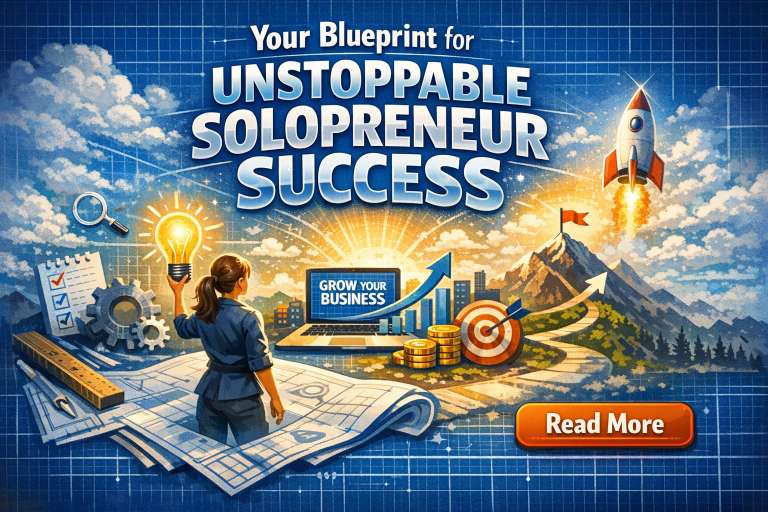
To Escape Digital Marketing Task Overwhelm, stop hunting for a magic tool and start building a simple, strong system.
Shift from reacting to planning, with clear goals, weekly priorities, and tight boundaries for your time.
Create repeatable workflows: templates, checklists, and SOPs that remove guesswork and speed up delivery.
Automate the boring parts: scheduling, reporting, lead capture, and follow-ups, so you can focus on high-value work.
Use smart helpers: AI prompts, content repurposing, and batching to multiply output without burning out.
Track a few key metrics, review them weekly, and make small improvements often.
This is how you build a resilient, intelligent business that serves you — and frees you to do your best work.
Recap of Your Business Transformation Journey: From Overwhelm to Optimized Flow
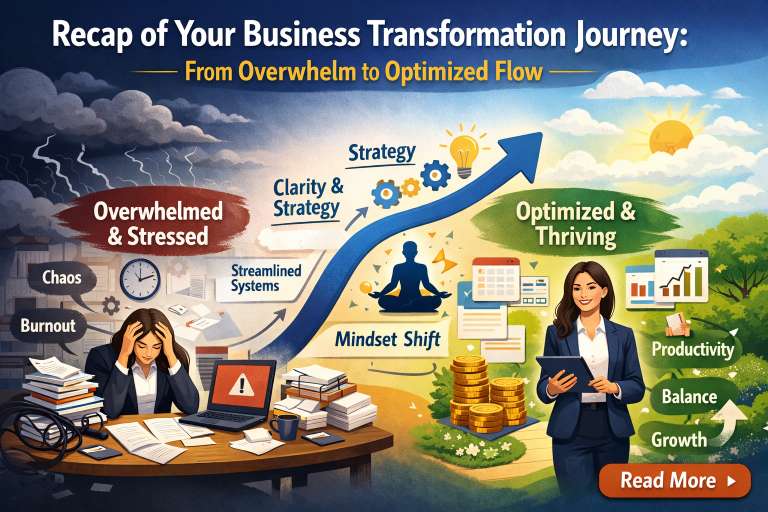
We started by naming the blockers behind solopreneur paralysis. Decision fatigue, scattered tools, and ad-hoc tasks were draining momentum.
Then you stepped into the CEO mindset. You set priorities, defined outcomes, and stopped reacting to every ping.
You learned to build an AI-powered Operating System. Using Notion for central knowledge, Zapier for automations, and simple AI prompts for drafting, you created a single source of truth.
You mapped processes, tagged owners, and set triggers for handoffs. Every recurring task now has a checklist, a template, and a deadline.
Escape Digital Marketing Task Overwhelm.
With this blueprint, you document, automate, and measure. You refine weekly, ship faster, and remove bottlenecks as they appear.
The result is an efficient, scalable, and sustainable business. You transform your role from doer to designer, and your results follow.
The Immediate Next Step: Begin Architecting Your Blueprint Today

Begin architecting your blueprint today so you can Escape Digital Marketing Task Overwhelm.
Start with the Diagnose-First Framework.
Block one focused hour this week. Set a timer, silence notifications, and gather your calendar and task list.
Run a quick time audit. List what you touched in the last 7 days, then track the next 60 minutes in 5-minute blocks. Tag each item by category (create, manage, admin), energy level, and value.
Identify your top 3–5 overwhelm triggers, like inbox triage, ad account checks, reporting, file hunting, client pings, or meeting prep.
Pinpoint repetitive, low-value admin tasks that drain you. Note frequency, average minutes, and handoff potential (batch, automate, delegate, delete).
Capture patterns and bottlenecks in a simple summary of where time goes, what drains energy, and what produces results.
With this diagnosis, sketch your first blueprint: eliminate one task, automate one, delegate one, and protect one deep-work block next week.
Your Invitation to Escape Task Overwhelm and Unlock Your Full Potential

Your invitation to Escape Digital Marketing Task Overwhelm starts now.
You already have the blueprint. Today’s tools are faster, cheaper, and easier to use than ever.
Choose to stop firefighting. Step up as the strategic architect of your business and become an AI Solopreneur.
Build your simple Operating System: one dashboard, clear SOPs, repeatable prompts, and smart automations.
Let AI handle research, drafting, scheduling, reporting, and follow-ups while you focus on strategy and offers.
Connect your stack: CRM, content planner, email, ads, and analytics, all synced and auto-updating.
Trade chaos for clarity. Replace busywork with an intelligent, automated, and freeing workflow.
Start today. Your future business will thank you.
